Pay attention to the whole group
Notice participation, energy, spacing, comfort, and changes that may require the activity to slow down or shift.
Safety & Standards
Safe, well-run activities depend on attentive coaching, clear boundaries, appropriate equipment, useful participant information, and communication that continues throughout the experience.
Awareness, boundaries, preparation, communication, and good judgment
The coaching standard
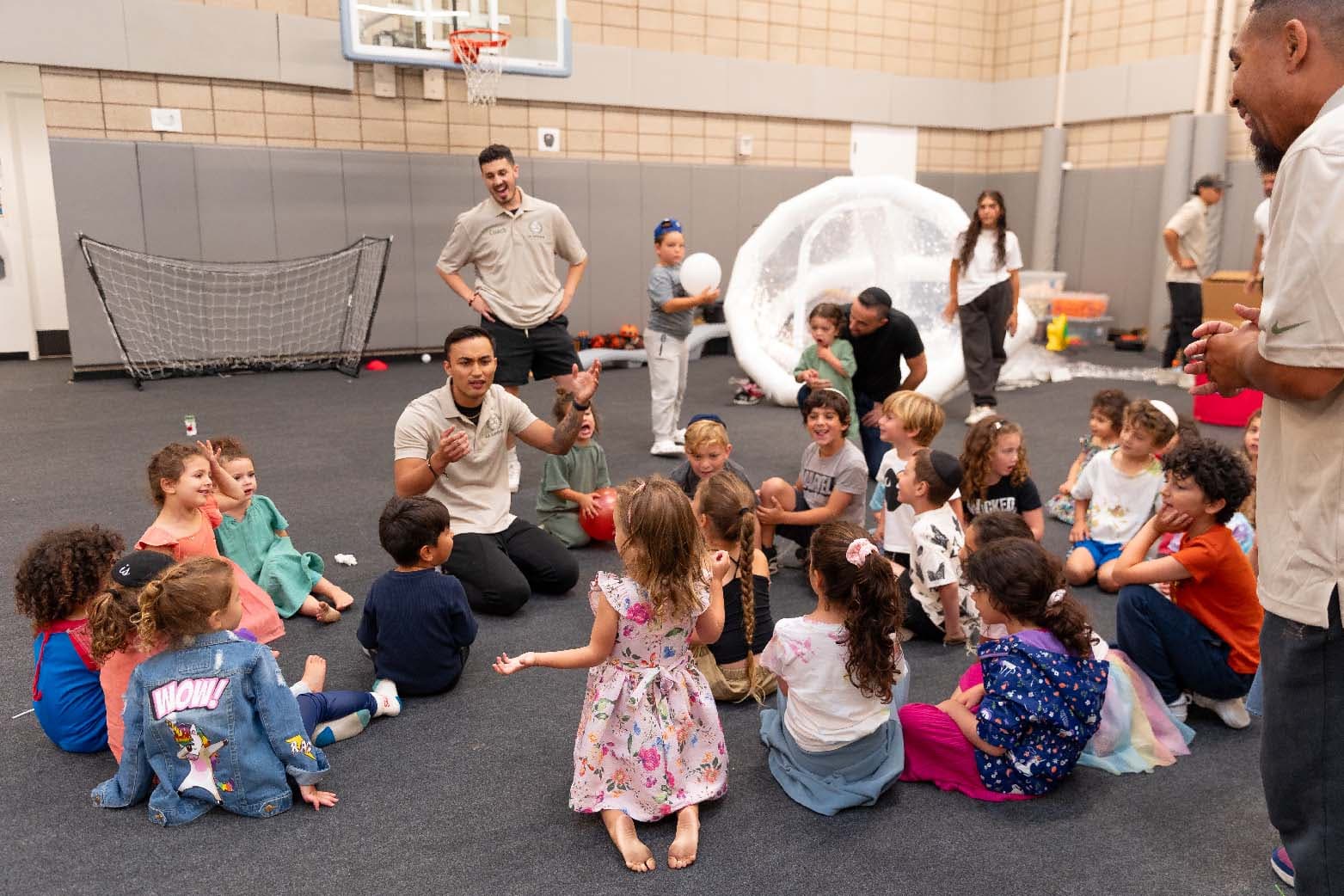
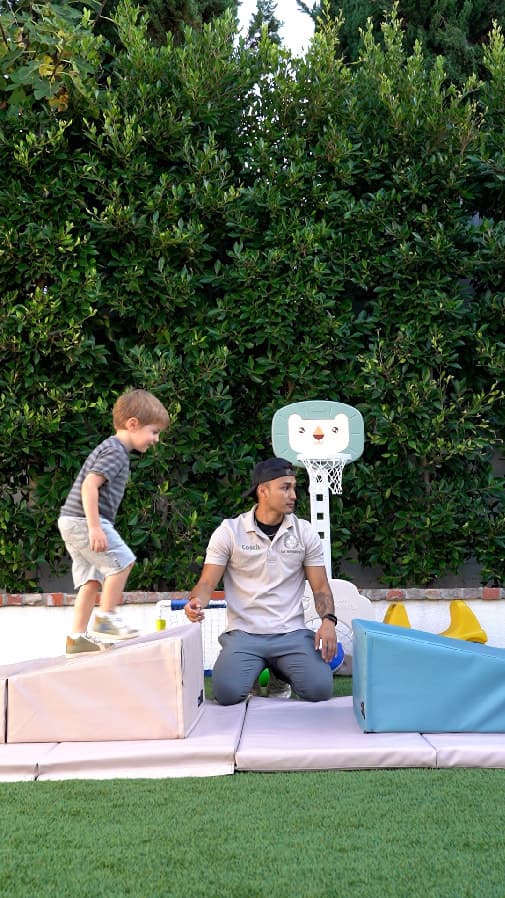
Youth coaching requires more than knowing the activity. Coaches need the patience to explain, the awareness to read a group, and the judgment to change course when something is not working.
We expect clear boundaries, respectful direction, and an approach that keeps challenge appropriate for the child, group, space, and moment.
Ask About a Specific NeedHow we show up
These standards guide the decisions a coach makes before play begins, while the activity is running, and when something needs attention.
Notice participation, energy, spacing, comfort, and changes that may require the activity to slow down or shift.
Explain where the activity happens, how equipment is used, and what respectful participation looks like before play begins.
Change the pace, rules, equipment, or group setup when ages, ability levels, weather, space, or participation call for it.
Keep the responsible adult or site contact informed when a practical concern, change, incident, or safety issue affects the activity.
Safety in practice
Screening matters, but practical safety also depends on preparation, supervision, information sharing, communication, and sound decisions in the moment.
LASW uses coach onboarding, company training, and California Live Scan screening. Team members do not serve independently as coaches until the applicable onboarding requirements are completed.
Staffing and emergency planning are considered in relation to the activity, participant ages, venue, and confirmed scope. LASW is formalizing additional emergency-response and certification standards.
Staffing is planned around participant ages, group size, activity type, venue, and the support available from parents or the host organization. Responsibilities are clarified before delivery.
Activities and equipment are selected for the ages, format, and available space. Coaches adjust the setup when conditions call for it.
When LASW manages registration directly, families receive instructions for sharing relevant participant and emergency information. At host-managed events, LASW works through the designated organizer and the information they make available.
When an incident occurs, LASW addresses the immediate situation and informs the parent or guardian when direct contact is available. In host-managed settings, staff notify the designated client contact for parent communication.
LASW maintains insurance for its operations. Coverage depends on the activity, confirmed scope, and policy terms. Organization clients can request a certificate of insurance when needed.
For programs registered directly with LASW, families should follow the registration instructions for sharing relevant allergies, accommodations, medical considerations, and emergency contacts. For host-managed programs and events, the organizer remains the primary information and communication point.
Talk it through
Tell us what you are planning and what you want LASW to understand. We will review the details and respond with the most useful next step.
Plan an Activity